SMITHsonian Magazine
“Oregon But Not Forgotten: How Sea Otters Once Protected the State’s Kelp Forests”

“Sea otters once drifted along the Oregon coast, cracking open shellfish against their furry chests and weaving through thick forests of kelp that swayed just beneath the surface. Oregon’s kelp forests, dense with life and structured by just a few key predators, have experienced a notable decline along the state’s coastlines over recent decades. But important vestiges of this once-widespread ecosystem remain, often stored in museum collections and preserved in bone and fur.”
Smithsonian Ocean Portal
“A shells Story”
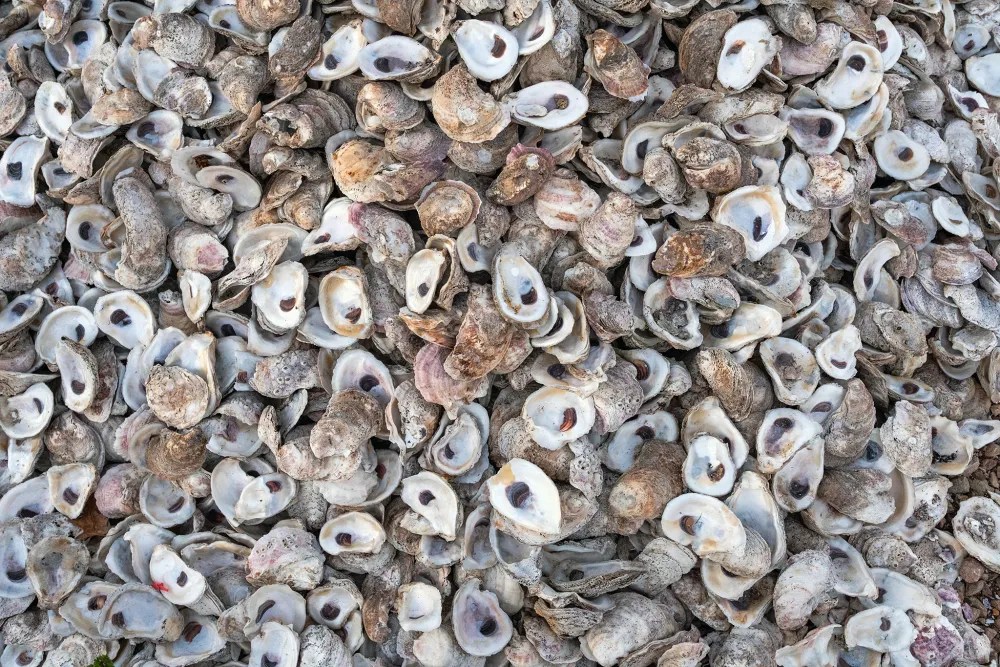
“Across the world’s oceans, buried in the sand, tucked within rocky crevices, or amassed in bustling beds, oysters, mussels, and clams are an integral part of coastal ecosystems. These shellfish are filter feeders that act as a cleanup crew, eating by gently pumping water over their gills and catching tiny floating snacks along the way.”
“Meet the gaint Isopods”
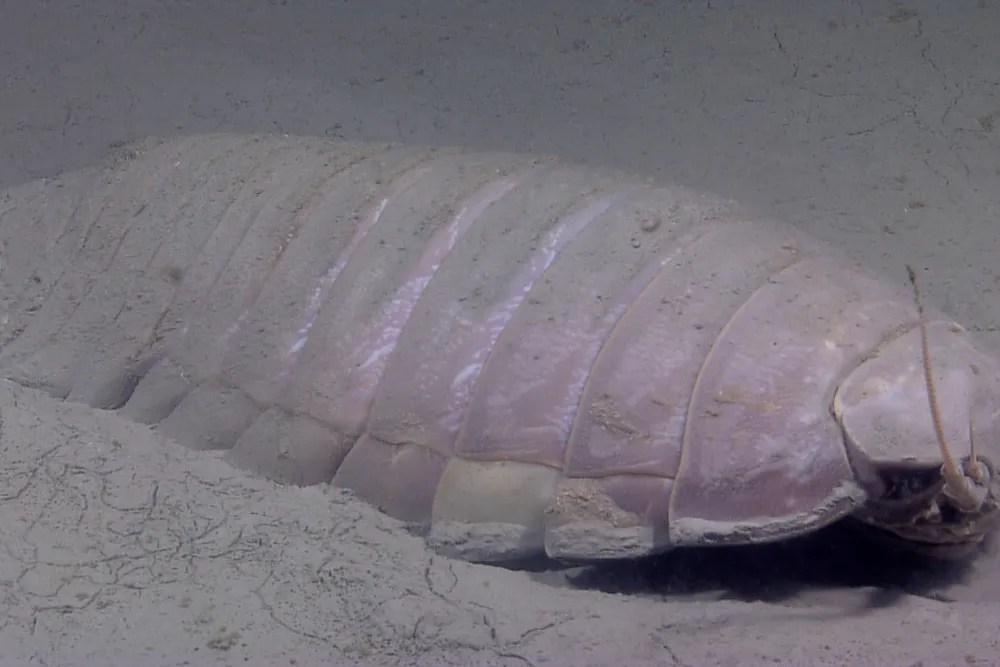
“Is it a bug, Is it a dinosaur? Maybe it’s even an alien? All good guesses when it comes to the peculiar-looking giant isopods, but they’re actually deep-sea crustaceans related to crabs, shrimp, and the terrestrial pill-bugs (the famed roly-poly).”
“Spartina: Architect of the Coast”
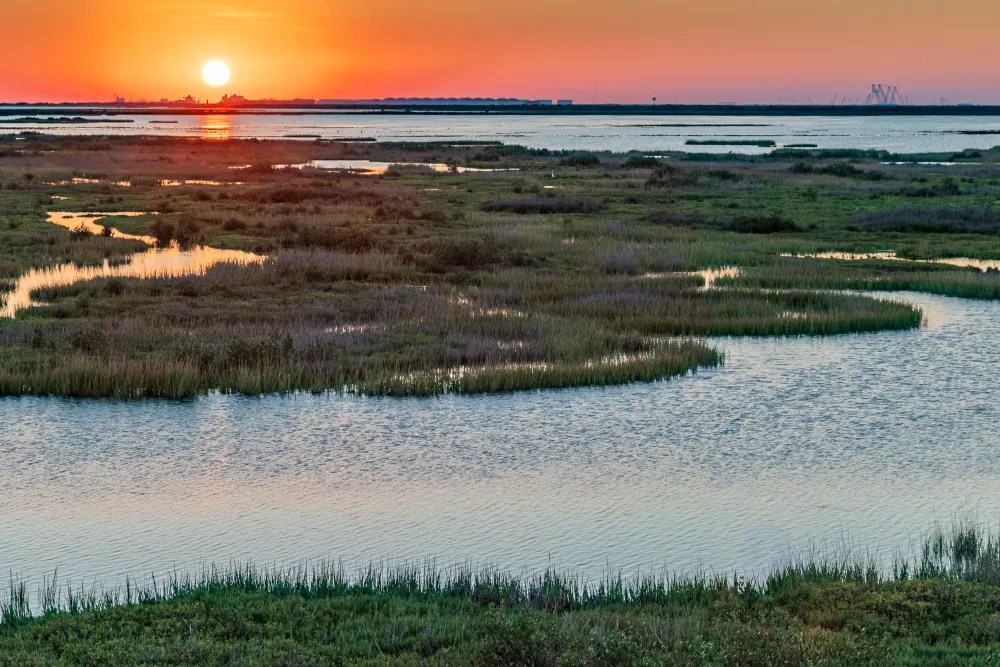
“As the sun rises over the marsh, the tide creeps through muddy channels, filling winding creeks bordered by tall green cordgrass. The grass stands waist-high near the banks and shorter in the upper marsh, waiting as the water reaches its roots, while fiddler crabs scramble among the stems and unseen birds call through the mist.”
“Meet the Booby Family”
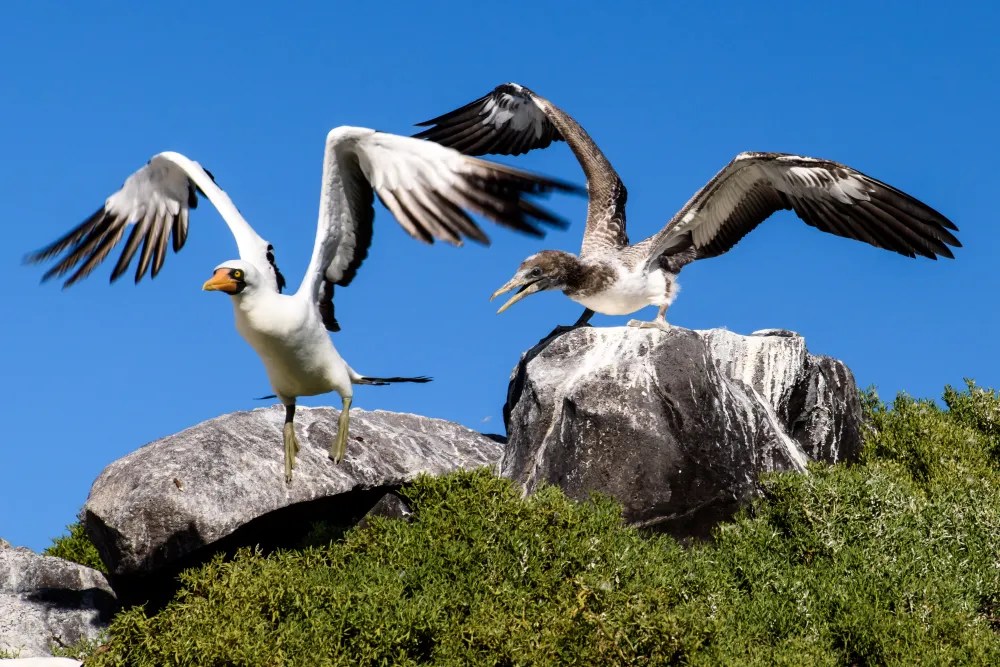
“With their sometimes vibrantly colored feet and theatrical hunting style, boobies (genus Sula) are some of the most colorful and fascinating seabirds that soar over tropical and subtropical oceans around the world. They belong to the close-knit family Sulidae, which also includes the gannets (genus Morus).”
“The Silver King: The prehistoric fish that can breathe air”

“Early in the morning, hiding deep within the marsh or up a tidal river along the southern coasts, a large sparkling fish, rightly named the Silver King, lurks just below the waterline. Before rolling out and breaking the surface, it flashes its long-scaled body and gulps at the air, not to hunt, but to breathe. This tarpon is a fish that breathes air.”
“The Great Blue”
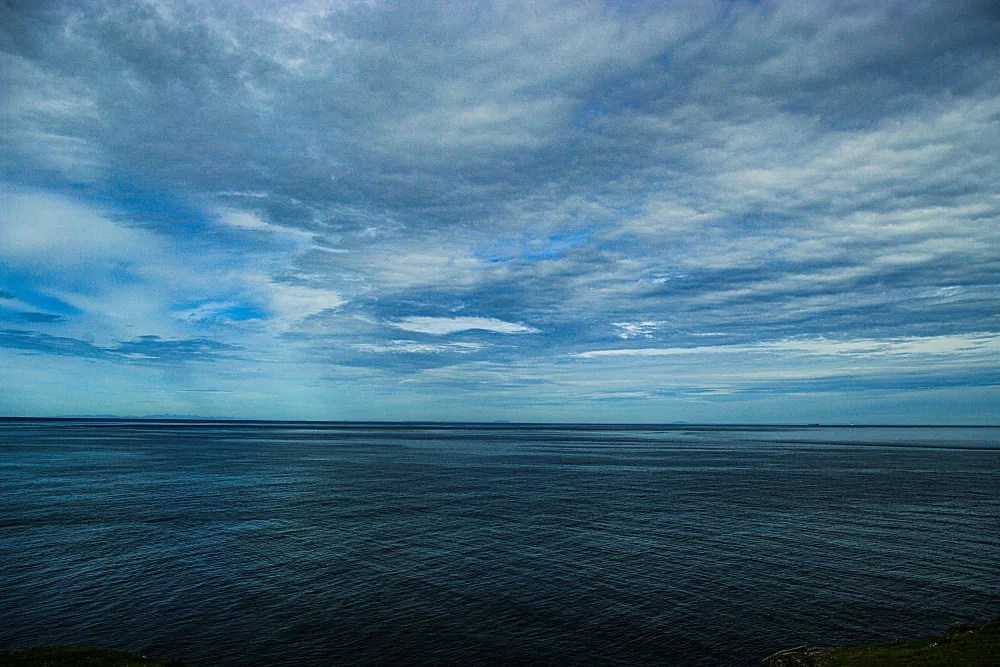
“The ocean is most often associated with one color: blue. Gaze across the horizon and you’ll meet an endless expanse of blue stretching out to meet the sky. Offshore, the ocean deepens into a darker and cooler color. Near the coast, it brightens into turquoise.”
“Life in the Tidal Flats”
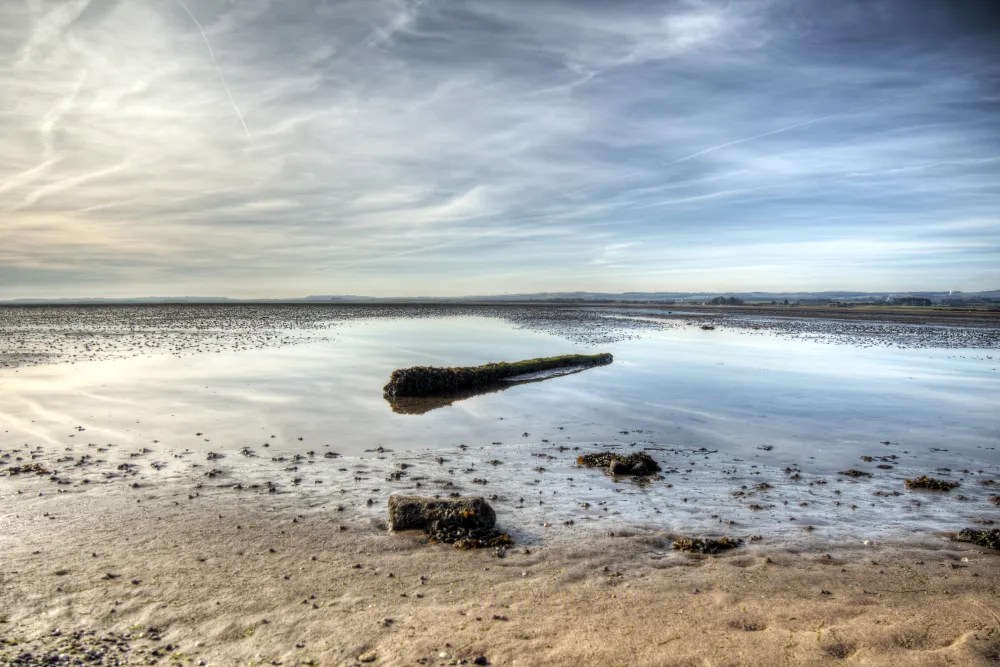
“Around the world, tidal flats make up a portion of the shallow water near the ocean’s coastal zone. These sandy and muddy wetlands that hug the shore are more than an empty seascape. When the tide is up, they provide a shallow water habitat for hundreds of swimming creatures. When the tide pulls back, what is left is a seemingly empty desert of mud, marked by distinct ripples, tiny holes, and small winding channels where water retreats to the open ocean.”
“The Unseen Ocean”

“Far off the coast, in the open ocean, a group of gigantic bluefin tuna—long, bullet-like creatures shimmering in the dull moonlight—rush collectively through the water in the middle of the night. Even underwater, with no stars to guide them, the tuna move with precision, knowing exactly where they are going.”
“The Diving Gannets”

“Around the world’s coasts the gannet roams, high above the water, soaring with its long-angled wings and knife-like beak. They are one of the most spectacular species of seabirds, built for their dramatic hunting style that resembles more of a missile strike than a bird collecting its prey. Beyond their acrobatic dives, gannets are an important predator in the coastal ecosystems they inhabit, keeping fish populations balanced and transporting nutrients from sea to land.”

